The Deceptive Calm: When Cozy Games Hide Their Stressful Hearts
Modern cozy games, with their pastel palettes and charming characters, offer a deceptive digital sanctuary that often masks a frantic, demanding core of anxiety and management. This paradox defines the genre's evolution, where vibrant aesthetics house intense engagement rather than relaxation. The legacy of these beautiful yet stressful experiences continues to shape our digital escapes.
I find myself reaching for these games, drawn in by their pastel palettes and charming characters, seeking a digital sanctuary. I wrap myself in a blanket, expecting a gentle escape, a soft hum of lo-fi beats to soothe the edges of the day. Yet, time and again, I am met not with peace, but with a peculiar, vibrant strain of anxiety. The very aesthetics that promise comfort become the canvas for a different kind of engagement—one of frantic management, precise execution, and survival against adorable odds. This is the paradox of the modern cozy game: a beautiful shell housing a frantic, demanding core. The definition has stretched, blurred by vibrant colors and cute critters, until it can encompass experiences that are anything but relaxing. Here, in 2026, the legacy of these deceptive comforts lives on, a testament to our desire for beauty even in our digital struggles.
8. Kind Words: The Venting Simulator
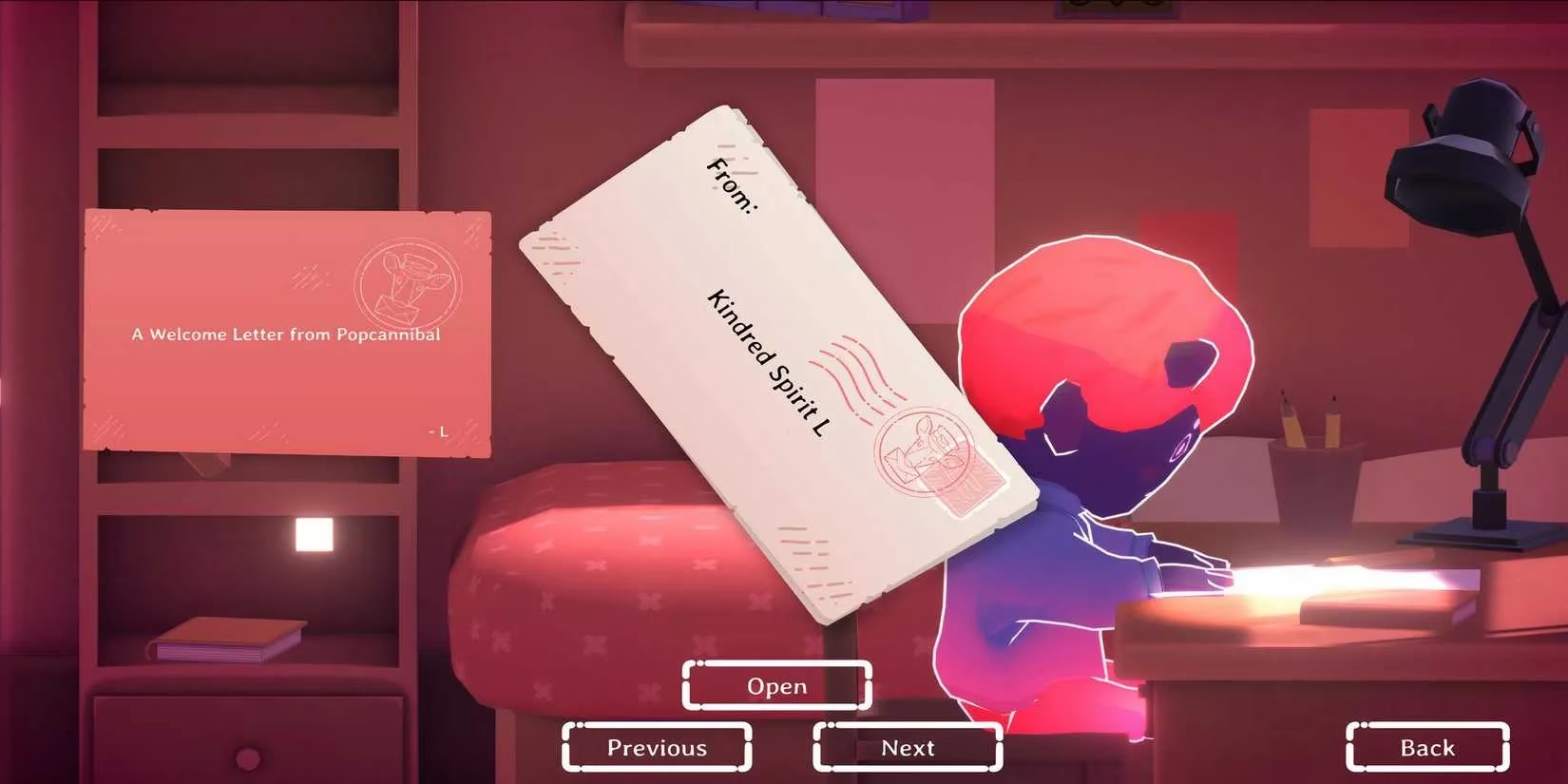
I placed Kind Words here, almost as an apology to the genre, for it is the archetype. The lo-fi soundtrack, the soft, glowing visuals—it is the very image of a digital safe space. Yet, I do not play it when I am calm. I open it when the weight feels too heavy, when I need to cast my worries into the anonymous ether. It is a group venting simulator, a cycle of sharing pain and offering fragile, typed comforts to strangers. The relaxation is not inherent; it seeps in, a side effect of catharsis, of seeing your own turmoil reflected and momentarily softened by another's words. The moment I feel truly at ease, I close the game. Its purpose is not to instill peace, but to provide a harbor during the storm.
7. Stardew Valley: The Grindstone Sanctuary
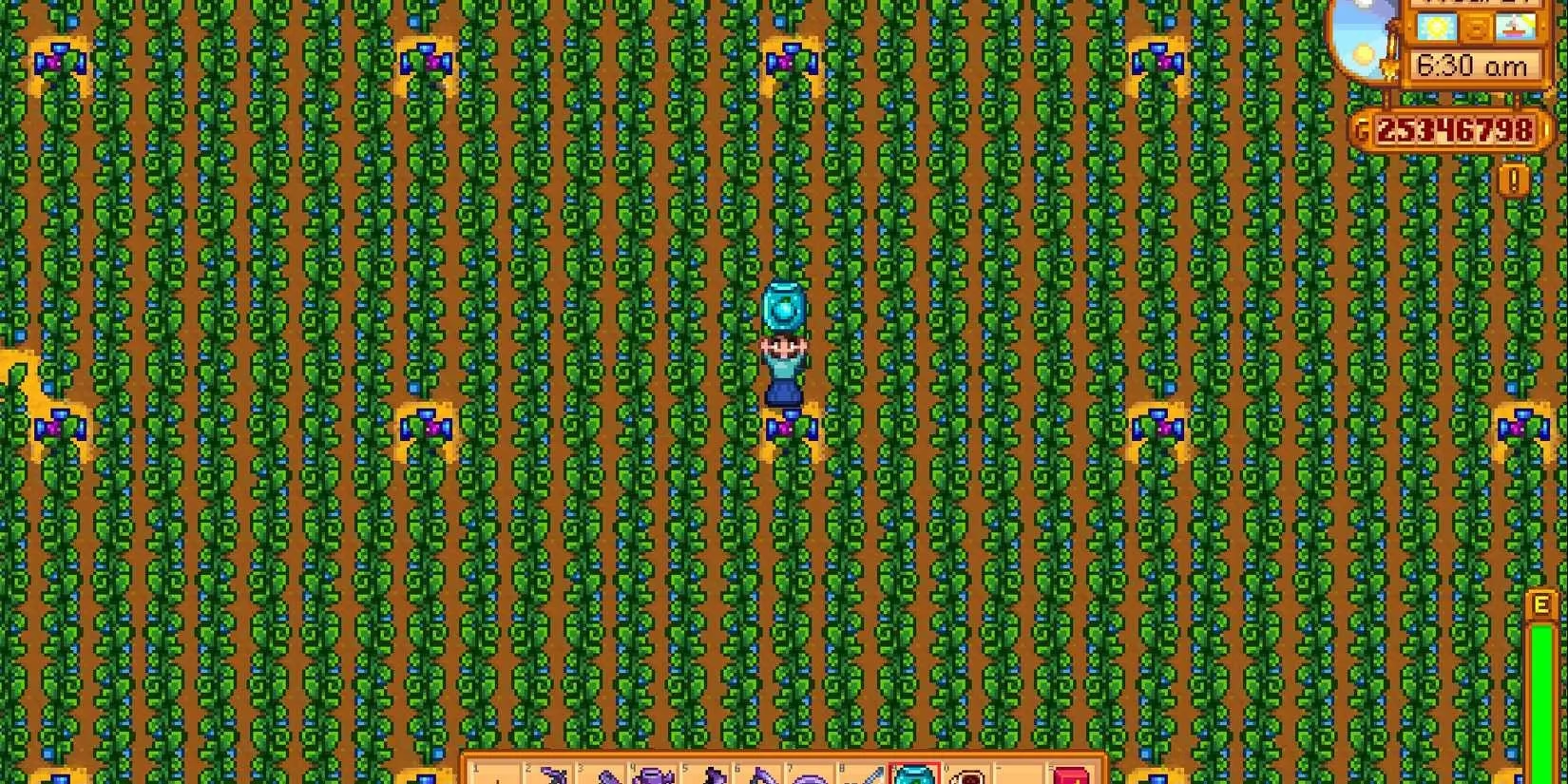
Ah, Stardew Valley. To the newcomer, it is a pastoral dream. To me, with hundreds of hours etched into its soil, it is a spreadsheet disguised as a farm. The stress is a choice, perhaps, but an inevitable one. The calendar ticks relentlessly. Did I plant enough blueberries on the first of Summer? Is my gift schedule for the villagers optimized? Did I remember to check the Traveling Cart for that last Community Center item? The mines demand careful, combat-ready excursions, a far cry from the gentle watering of parsnips. It is a good stress, a satisfying puzzle of resource and time management, but let us not call it relaxing. Relaxation is for those who can ignore the siren call of maximum seasonal profit. I am not one of them.
My typical Stardew day is a symphony of managed chaos:
-
6:00 AM: Water crops, harvest, process artisan goods.
-
9:00 AM: Check animals, gather resources.
-
12:00 PM: Social rounds in town, gift delivery.
-
2:00 PM: Mine dive for ore and geodes.
-
10:00 PM: Collapse into bed, mentally planning tomorrow's layout.
6. Celeste: Anxious Ascension
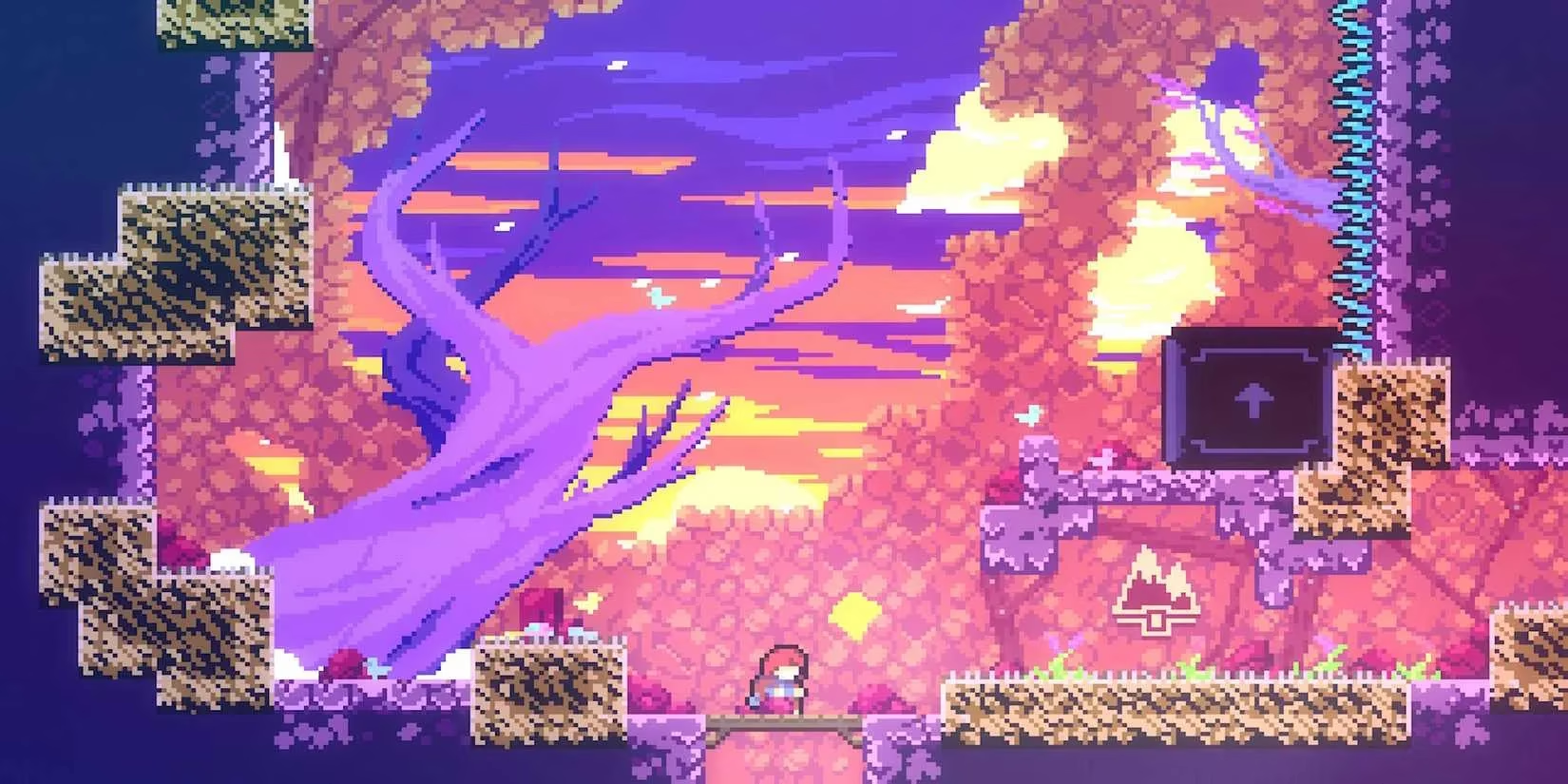
I have watched friends be seduced by Celeste's lovely, pastel-drenched artwork and its heroine Madeline's earnest struggle, only to have their controllers tremble in their hands minutes later. This game is a beautiful lie. It is a brutal, precision platformer that demands pixel-perfect jumps, air-dashes, and wall-bounces. My hands lock, my breath catches on every screen. The game's core narrative is anxiety, a brilliant, empathetic portrayal of self-doubt that you don't just watch—you feel in every missed jump, every fatal fall into spikes. The relief at completing a chapter is profound, but it is the relief of surviving a trial, not unwinding in a meadow. It immediately asks you to climb higher, to face a new part of yourself and the mountain. It is transformative, exhilarating, but never, ever cozy in the traditional sense.
5. Melatonin: The Rhythm of Perfectionism
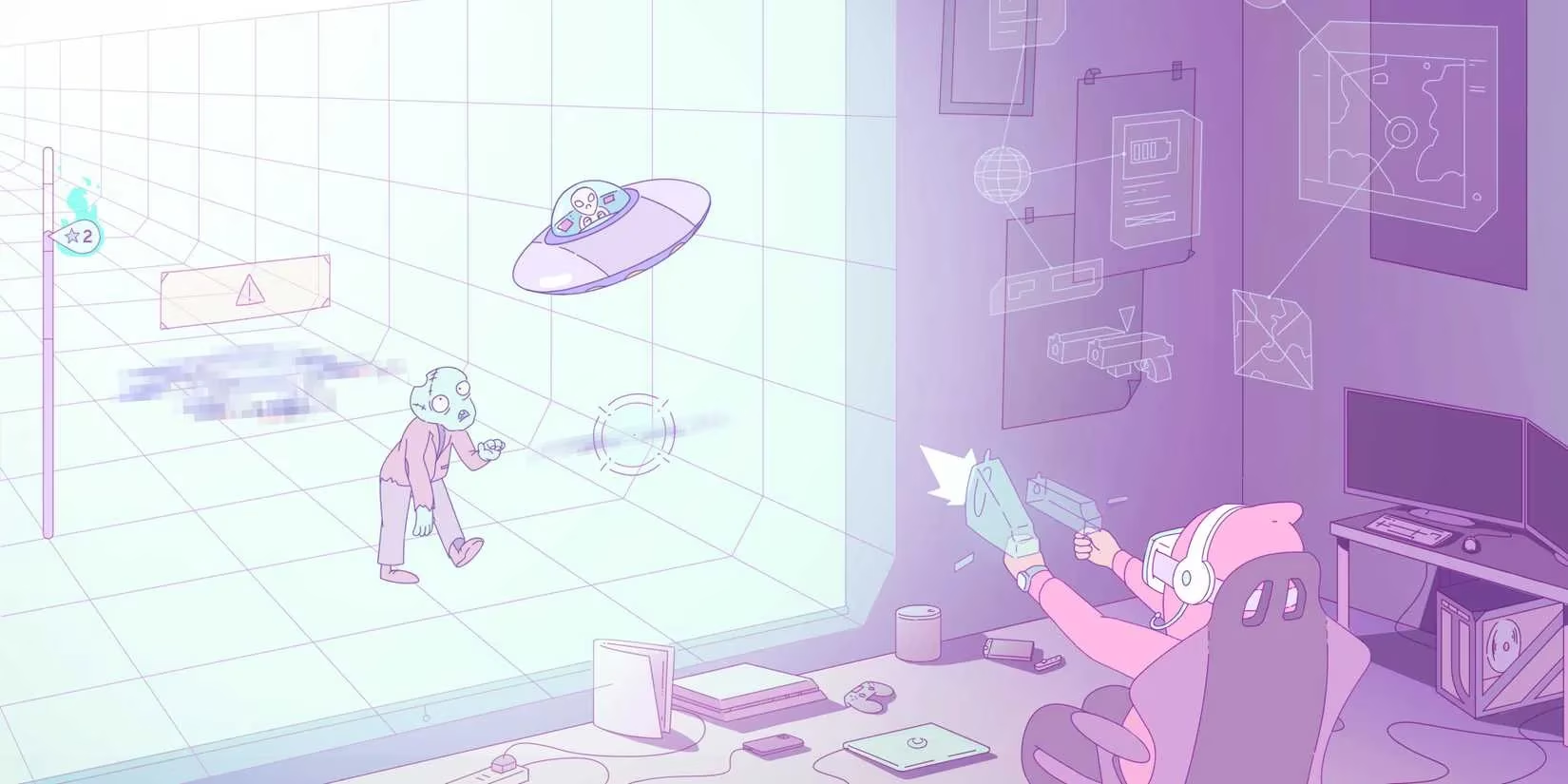
Melatonin wraps its rhythm challenges in a warm, dreamlike aesthetic, with soothing tunes and silly, relatable scenarios—shopping with a credit card, daydreaming in class. And yet, for me, it becomes a factory of inadequacy. That serene music only highlights the beat I must hit, and missing it by a fraction, seeing my score drop from "Perfect" to "Great," feels like a personal failing. The cozy coating cannot mask the core mechanic: relentless, judged precision. For the masters who chase perfect scores, the focus required is a form of high-stakes meditation. For the rest of us, it's a gentle, colorful torment that pokes at our desire to be perfect, even in our relaxation.
4. Magical Delicacy: A Frustrating Feast
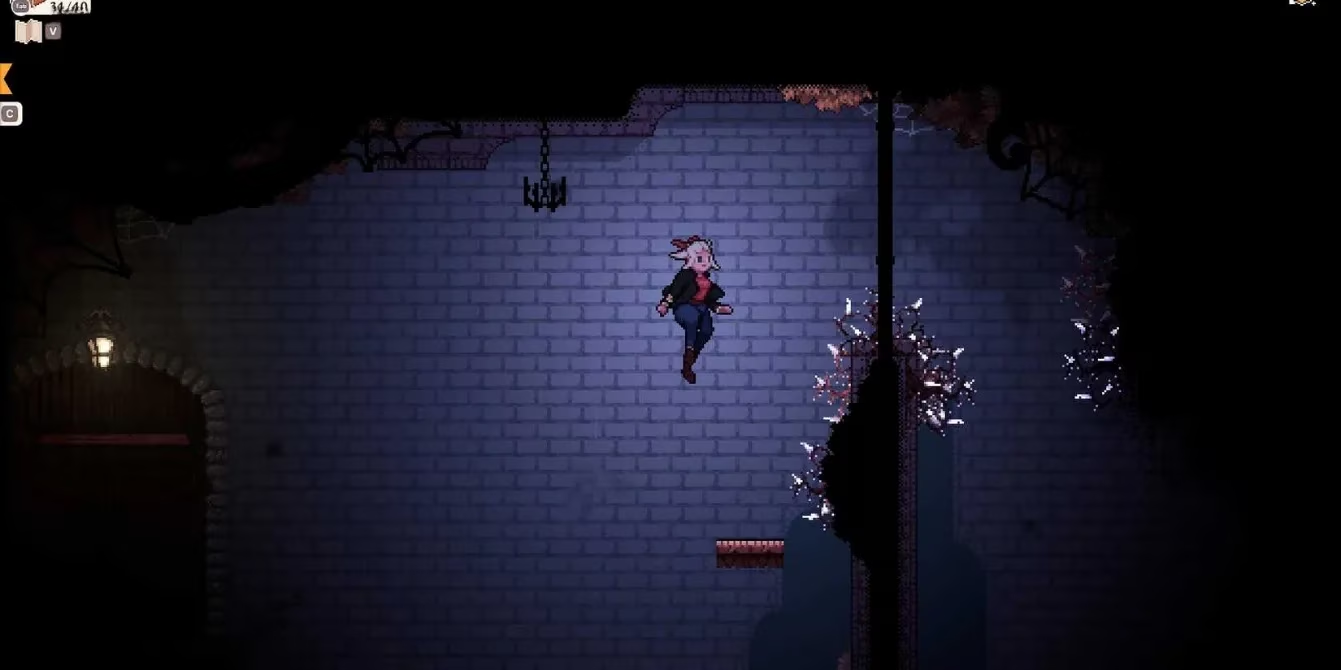
This one feels like a betrayal. Magical Delicacy presents the fantasy: a magical pastry chef in a quaint town. The stress of starting penniless is part of the charm. The true source of tension is the janky, unforgiving platforming required to explore and the tedious, QTE-heavy mini-games for cooking. The cute aesthetics and music become a taunt, a pretty veneer over a foundation of frustration. It feels deliberately designed to subvert the cozy promise, as if the developers painted a relaxing world only to fill it with obstacles that ensure you can never truly settle in. It is relaxation offered with one hand and snatched away with the other.
3. Cuisineer: Culinary Chaos
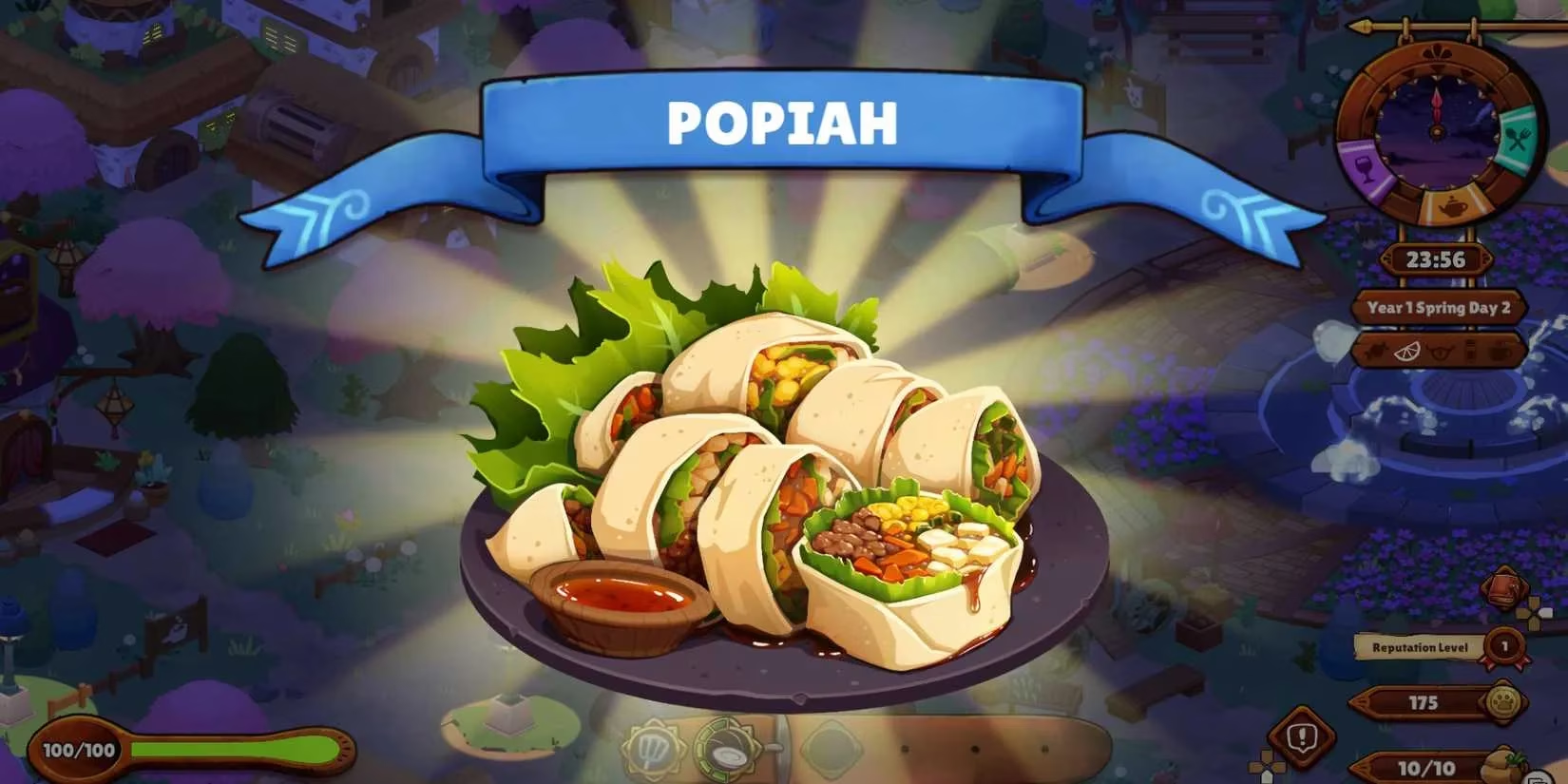
Cuisineer is the epitome of this dichotomy. Its world bursts with adorable character designs and vibrant colors. Then, it splits your life in two. One half is a roguelite dungeon crawl where death means losing precious ingredients. The other half is a frantic restaurant simulator where customers pile in, orders stack up, and patience dwindles. There is no downtime. Succeeding in the dungeon only fuels the stress of the dinner rush. It is invigorating, a thrilling test of multitasking, but the idea of booting it up to "relax" is laughable. I only play it when I am already prepared for a kind of cheerful, manic overdrive.
| Game Phase | Primary Activity | Source of Stress |
|---|---|---|
| Dungeon Crawl | Hack-and-slash combat, gathering ingredients. | Permanent loss of resources upon death. |
| Restaurant Management | Cooking, serving, customer satisfaction. | Overwhelming order flow, angry customers, time pressure. |
2. Slime Rancher: Adorable Capitalism
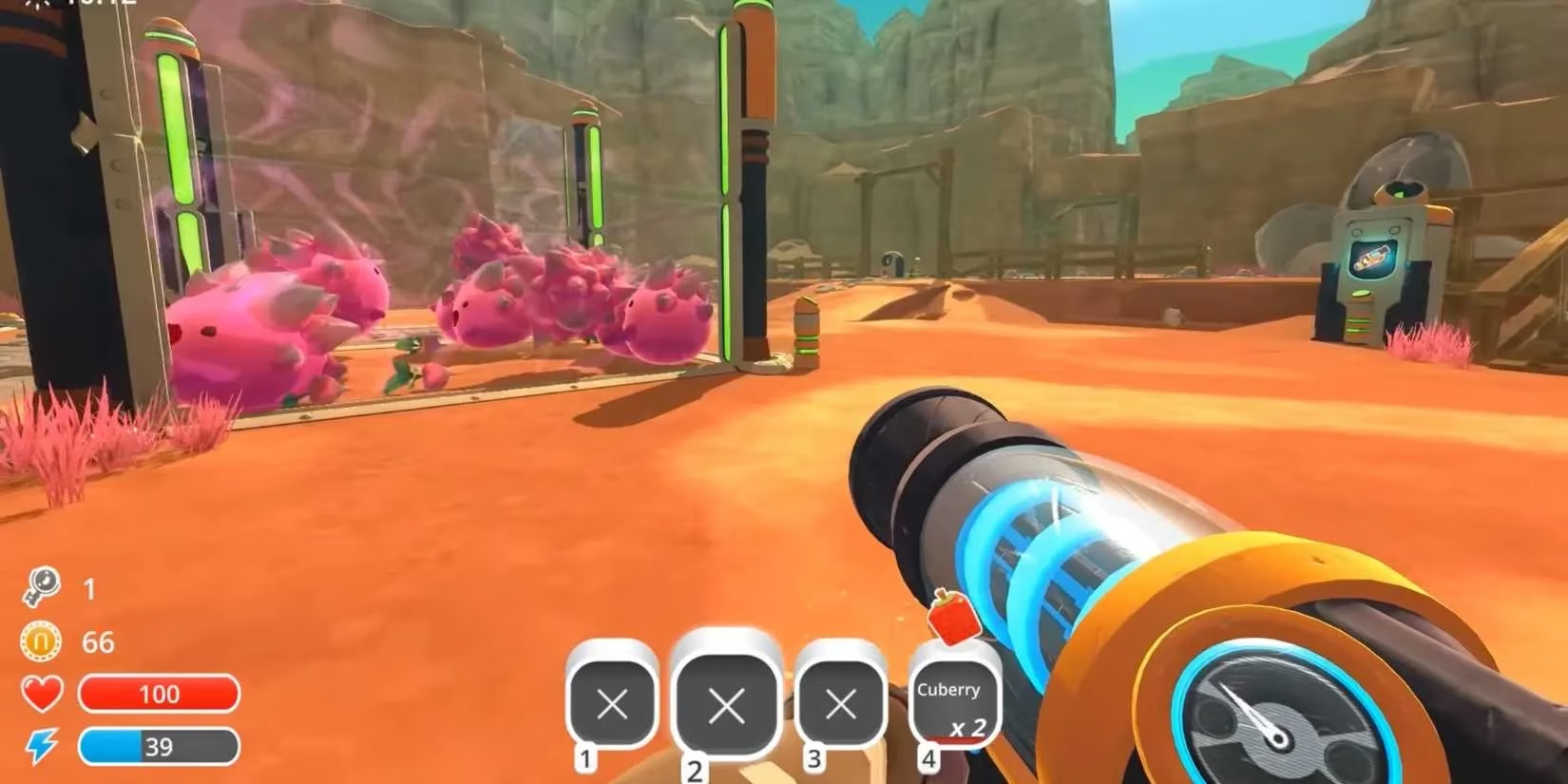
Look at them. The bouncy, smiling slimes in their cel-shaded, pastel world. It looks like the perfect game to unwind with. The truth is darker. This is a game of risky husbandry and economic strategy. You "ranch" these cute creatures by vacuuming them up from environments filled with hazards. The constant fear? That a Pink, a Rock, and a Tabby slime will combine into a deadly, untamable Tarr that will devour your entire ranch. Then, you must play the market, deciding when to sell their "plorts" for maximum profit. It is less about cozy farming and more about managing a volatile, adorable ecosystem that is always on the brink of delicious catastrophe. Micromanaging expanding ranches of increasingly dangerous slimes is a strategic nightmare wearing a blissful smile.
1. Rain World: Survival of the Cutest
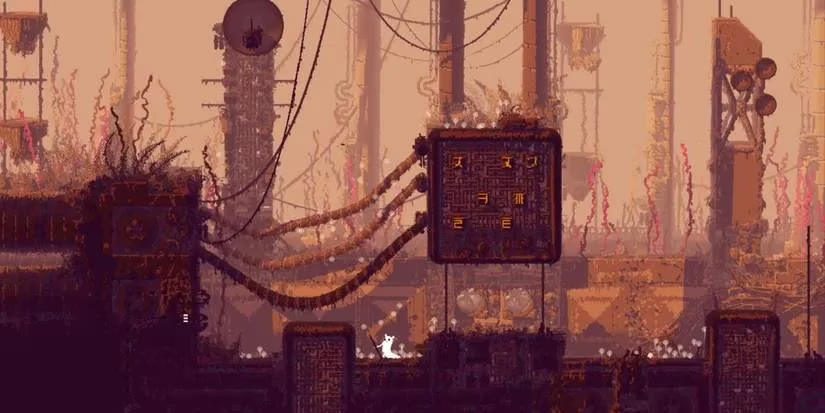
And here we reach the apex of the contradiction: Rain World. I understand why it gets the cozy label. You play as a slugcat—a creature whose every animation, from curious sniffs to sleepy curls, is engineered for maximum adorability. But this game is stress given digital form. You are not a farmer or a chef; you are prey. The entire, beautifully bleak ecosystem is designed to hunt and eat you. Scaling a pipe, only to discover it is a creature's tongue. Seeking shelter from the deadly rain, only to be cornered by a lizard. The tension is unrelenting. Yet, I know people who adore Animal Crossing who also cherish this game. There is a cozy appeal in the vulnerability, in caring for this cute creature in a world that does not care back. It is a specific, masochistic kind of comfort: the warmth of surviving against impossible odds, with the cutest possible protagonist. If you can love a creature while watching it be eaten by the landscape, this is your game.
So here I am in 2026, my library filled with beautiful, stressful worlds. They have taught me that my desire for cozy games is not a desire for passivity, but for engagement wrapped in beauty. The stress is not a bug; it is a feature. It is the heartbeat under the soft blanket, the challenge inside the candy shell. We do not always play to turn our brains off, but sometimes to focus them on something beautiful, even if that something is trying its best to overwhelm us. The new cozy game isn't about relaxation—it's about finding resonance, even when that resonance feels like panic, dressed in pastels.
Leave a Comment
0 Comments